

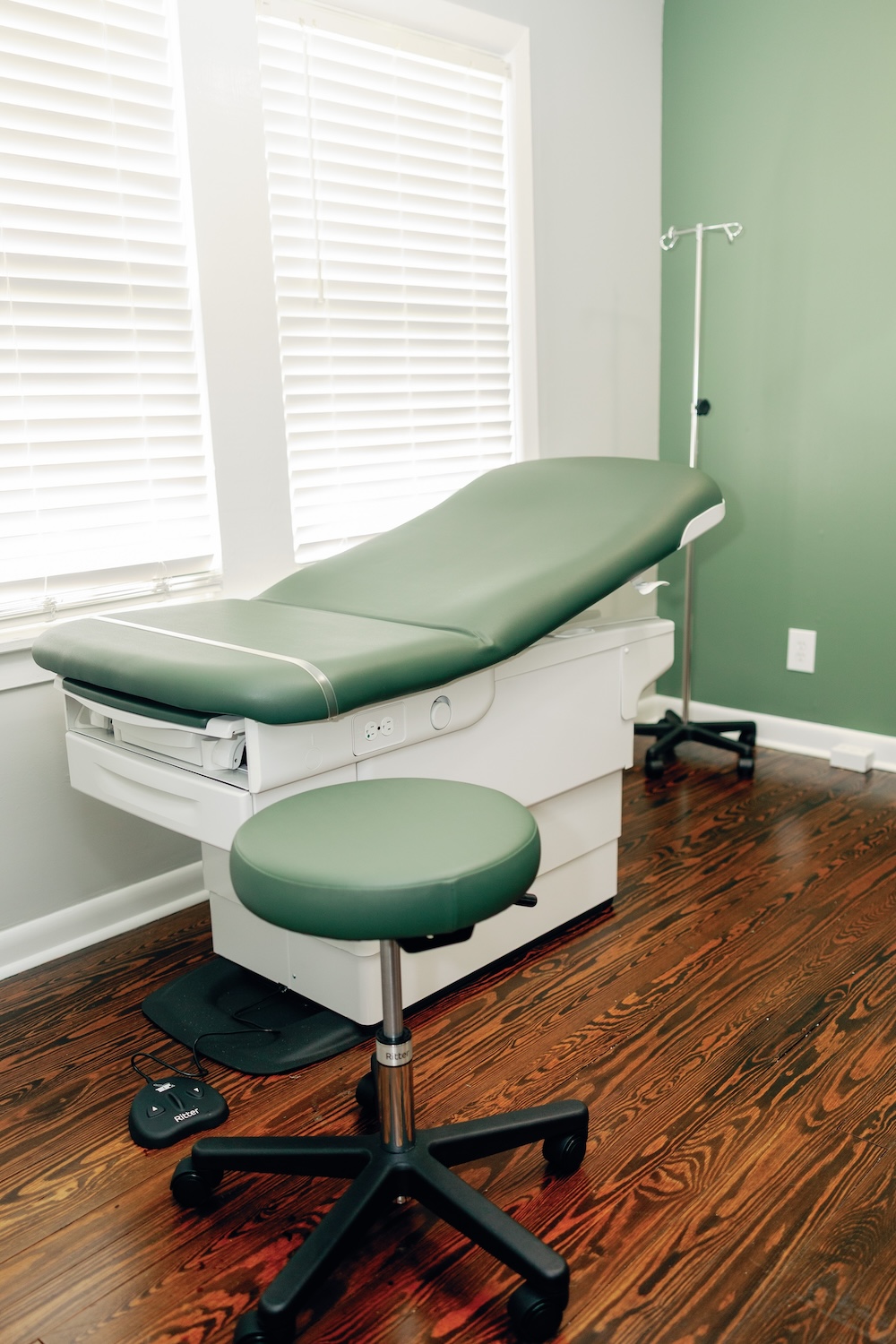
High Cholesterol Usually Has No Symptoms
You cannot tell how healthy your cholesterol levels are by how you feel. High cholesterol commonly causes no noticeable symptoms, which is why a blood test is the only way to know your levels.
A cholesterol test, sometimes called a lipid panel or lipid profile, gives your healthcare provider information that can help estimate your risk for heart disease and stroke. The results are most useful when reviewed together with your blood pressure, age, family history, smoking history, diabetes status, medications, and other health factors.
How Often Do Most Adults Need Testing?
According to the Centers for Disease Control and Prevention, most healthy adults should have their cholesterol checked every four to six years. That is a general starting point, not a schedule that fits everyone.
You may need testing more often if you have heart disease, diabetes, a family history of high cholesterol, or other cardiovascular risk factors. Your provider may also recommend a different schedule based on previous results, medications, age, or changes in your health.
What Does a Lipid Panel Measure?
A typical lipid panel includes low-density lipoprotein, high-density lipoprotein, triglycerides, and total cholesterol. LDL is often called “bad” cholesterol because elevated levels can contribute to plaque buildup in the arteries. HDL is commonly called “good” cholesterol because healthy levels are associated with lower cardiovascular risk.
Triglycerides are another type of fat in the blood. Your provider will interpret each result as part of the full panel rather than judging your health by one number alone.
Who May Need More Frequent Cholesterol Checks?
More frequent monitoring may be appropriate if you already have high cholesterol, take cholesterol-lowering medicine, have diabetes or heart disease, or have a strong family history of early cardiovascular disease. High blood pressure, tobacco use, obesity, and certain medical conditions may also affect your testing plan.
Tell your provider about relatives who experienced a heart attack or stroke at a younger age or who were diagnosed with very high cholesterol. Family history can be an important part of deciding when screening should begin and how often it should be repeated.
Do You Need to Fast?
Some cholesterol tests require fasting for eight to twelve hours, while others may not. Preparation depends on the tests being ordered and your individual circumstances. Ask the office before your appointment whether you should avoid food or drinks and whether you should take your usual medications.
Do not stop a prescription medication unless your healthcare provider specifically instructs you to do so. Bringing an updated medication and supplement list can also help your provider interpret the results.
What Happens After the Test?
Your provider will review the results alongside your overall cardiovascular risk. If a result is outside the desired range, the next step may include nutrition or physical activity changes, weight management, stopping tobacco use, medication, or repeat testing. The plan depends on your full health picture.
Ask what each number means, what goal is appropriate for you, and when the test should be repeated. If medicine is prescribed, take it as directed and discuss side effects, cost concerns, or questions before making changes.
Schedule Preventive Lab Work in Oxford, Alabama
Cholesterol screening is a straightforward way to uncover a risk factor that may otherwise remain hidden. Oxford Health Systems Primary Care offers preventive visits, routine lab work, and chronic condition management for patients in Oxford and surrounding East Alabama communities.
Call 256-470-9998 to schedule an appointment and ask whether cholesterol testing should be part of your preventive care plan.